Request Your Free Quote
Fill this out and a real person will follow up. No spam, no scripts.
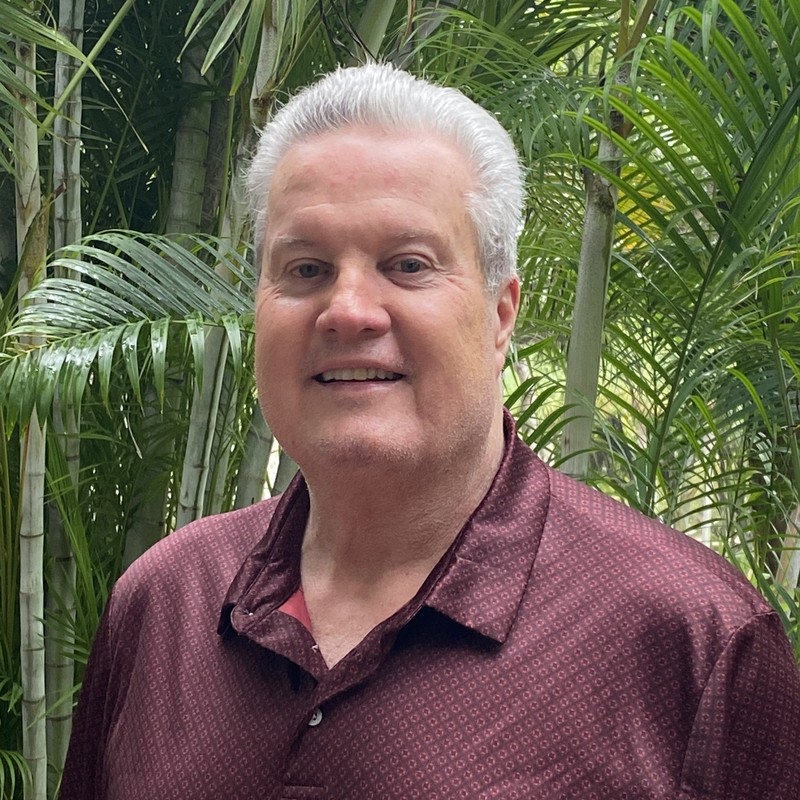
Charles Berndt
Born and raised in Miami, with 46 years of honest, straight answers, just one phone call away.
It depends on what you're insuring, where you live, your driving or claims history, and the coverage you choose. The quickest way to get a real number is a free quote. We compare several companies for you, so you see your best options side by side.
For auto: your driver's license numbers, your vehicles (the VIN helps), and your current policy if you have one. For a home: the address, the year it was built, the roof's age, and any wind mitigation or 4-point inspection reports. Don't have everything? Call us anyway, and we'll fill in the rest together.
No. There's no extra fee for working with us. Insurance companies pay us, so you get personal advice and someone shopping on your behalf at no added cost.
An independent agent works with more than one insurance company, so we can compare options instead of selling you a single brand. And when something goes wrong, you call a person who already knows you, not a call center.
Yes. You can usually switch anytime and get back the unused part of your premium (some companies charge a small cancellation fee). Just make sure your new policy starts before the old one ends, so you're never without coverage.
No. Some insurers look at a credit-based insurance score, but it's a soft check that doesn't affect your credit score.
Florida requires at least $10,000 in Personal Injury Protection (PIP) and $10,000 in Property Damage Liability. Bodily Injury Liability isn't required for most drivers, but without it you can be held personally responsible if you injure someone. Lawmakers have debated changes to these rules, so ask us and we'll tell you exactly what applies to you today.
Rarely. $10,000 in property damage won't cover most newer cars, and Florida has one of the highest rates of uninsured drivers in the country. Adding Bodily Injury and Uninsured Motorist coverage is often what protects your savings after a serious accident.
It isn't an official policy type. People usually mean liability plus Comprehensive and Collision, which cover damage to your own car. If your car is financed or leased, your lender almost always requires it.
Usually, yes, if you gave them permission, because coverage generally follows the car. Anyone who lives with you and drives your car regularly should be listed on your policy.
Often, at your next renewal. But every company weighs it differently, which is why comparing companies afterward can save you real money.
They're certificates your insurance company files with the state to prove you have coverage. Florida may require an SR-22 after certain violations, like driving uninsured, and an FR-44, which requires higher liability limits, after a DUI. We can help you get either one filed.
No. Boats, personal watercraft, motorcycles, RVs, and trailers each need their own policy, and they're often less expensive than people expect.
No. Damage from rising water, including storm surge, needs a separate flood policy. You don't have to be in a high-risk flood zone to flood, and many flood claims come from homes outside them.
Usually, yes. Most flood policies take 30 days to begin, with a few exceptions, like when you're buying a home. Don't wait until a storm is in the forecast.
It's a separate deductible for hurricane damage, usually a percentage of your home's dwelling coverage, often 2%, 5%, or 10%. For example, on a home insured for $300,000, a 2% hurricane deductible is $6,000.
Usually not. Once a hurricane watch or warning is issued for your area, most insurance companies stop writing new policies or increasing coverage until it passes. The time to get ready is before hurricane season starts on June 1.
A licensed inspector documents the features that help your home stand up to wind, like roof straps, impact windows, and shutters. Florida insurers are required to offer discounts for these features, and the savings can be significant. If you've never had one, ask us.
It's a quick inspection of four things: the roof, electrical, plumbing, and heating and air conditioning. Many companies require one for older homes before they'll insure them.
Yes, a lot. In Florida, a newer roof usually means lower premiums and more companies to choose from. Older roofs often need an inspection and can limit your options, so let us know your roof's age when you ask for a quote.
No. Your landlord's policy covers the building, not your things. Renters insurance covers your belongings and your liability, and it's usually one of the most affordable policies you can buy.
A good starting point is enough to replace your income for the years your family would need it, plus pay off your mortgage and debts and cover big future costs like college. We'll work through the numbers with you, with no pressure.
Term life covers you for a set number of years, like 20 or 30, and costs less. Whole life covers you for your entire life and builds cash value, but it costs more. Many families start with term.
Often not. Work policies are usually only one or two times your salary, and the coverage typically ends if you leave or lose that job.
For marketplace plans, Open Enrollment usually runs from November 1 to January 15. Outside that window, you can still enroll within 60 days of a major life event, like losing job coverage, getting married, having a baby, or moving. Not sure if you qualify? Call us and we'll check.
Often, yes. Many people qualify for savings based on their household income, and choosing the right balance of premium and deductible makes a big difference. We'll compare plans with you so you only pay for what you actually need.
Your paycheck pays for everything else. If an injury or illness keeps you out of work, disability coverage replaces part of your income so the bills don't pile up while you recover.
Anyone with something to protect: a home, savings, or future income. It's especially worth a look if you have a teen driver, a pool, a boat, or a dog. It adds liability coverage on top of your home and auto policies, usually starting at $1 million.
Most businesses start with general liability. Depending on what you do, you may also need commercial property, commercial auto, workers' compensation, or cyber coverage. Many small businesses save by combining liability and property into one Business Owner's Policy.
Often not. Deliveries, hauling equipment, or driving to job sites can fall outside a personal policy, and you could be left without coverage after an accident. Commercial auto closes that gap.
In most cases, yes, once you have four or more employees. Construction businesses generally need it with even one employee. Ask us and we'll help you sort out what applies to you.
Make sure everyone is safe and call 911 if anyone is hurt. Take photos, exchange insurance information with the other driver, and don't admit fault at the scene. Then report it to your insurance company, or call us and we'll walk you through it.
Call the claims number on your insurance card or in your insurer's app, which is usually open 24/7. If you're not sure where to start, call our office and we'll help.
If the repair costs only a little more than your deductible, it may not be worth filing. Call us first and we'll give you an honest opinion before anything goes on your record.
Rates across Florida have risen because of higher repair costs, storm losses, and lawsuits, not just because of anything you did. A rate increase is a good time to compare companies, and we'll do the shopping for you.
Ask us. A real person will give you a straight answer, with no sales pitch.
Fill this out and a real person will follow up. No spam, no scripts.
Born and raised in Miami, with 46 years of honest, straight answers, just one phone call away.
One phone call gets you honest answers and a quote that fits, with no pressure.